
Expert Clinical Care and Support Skills
GV Complete Care provides specialised High Intensity Supports to NDIS participants with complex health, personal care, mobility, and clinical needs. These supports are delivered in accordance with the NDIS Practice Standards (Core and High Intensity) and the NDIS High Intensity Support Skills Descriptors, ensuring safety, quality, dignity, and person-centred care at all times.
Our High Intensity Supports are designed for participants who require skilled support workers, structured care plans, ongoing clinical oversight, and staff trained to manage complex and high-risk needs within their home and community environments.
Support workers delivering High Intensity Supports meet the NDIS High Intensity Support Skills Descriptors, ensuring they have the skills, knowledge, and competencies required for safe and effective practice.
High Intensity Support Skills Descriptors
Below are the key High Intensity Support Skills Descriptors we deliver training and competency assessments for:
1. Complex Bowel Care
Support workers are trained in supporting participants with complex bowel regimes and management plans. This includes assisting with bowel programs, monitoring outcomes, identifying risks, and responding safely to complications under clinical direction.
2. Enteral Feeding and Management
Workers are trained to support prescribed enteral feeding plans (e.g. gastrostomy, jejunostomy), including safe preparation, tube management, monitoring of tolerance, and recognising complications. Training reflects individual needs and equipment requirements.
3. Severe Dysphagia Management
Support workers are trained in supporting participants with severe dysphagia, including safe mealtime practices, texture modification, positioning, monitoring for aspiration risk, and responding to swallowing-related incidents, always under clinical direction.
4. Tracheostomy Management
Training includes safe suctioning, tracheostomy care, emergency response, and equipment management. Workers are trained to understand tracheostomy plans, risk indicators, and escalation procedures tailored to individual participant needs.
5. Urinary Catheter Management
Workers are trained in supporting participants with various catheters (e.g. suprapubic, indwelling, intermittent), including changing procedures (where delegated), monitoring for infection/complications, and safe documentation.
6. Ventilator Management
Support workers receive training in ventilator support needs, including equipment understanding, monitoring participant respiratory status, emergency response, and how to respond to potential complications in partnership with clinical oversight.
7. Subcutaneous Injections
Training covers supporting participants who require subcutaneous injections, including insulin and other prescribed medications, safe injection techniques as delegated, monitoring responses, and documentation in line with clinical guidance.
8. Complex Wound Management
Workers are trained in supporting complex wound care activities, understanding wound care plans, recognising signs of skin breakdown or infection, assisting with dressing changes within delegated scope, and escalating concerns appropriately.

Clinical Governance & Registered Nurse Oversight
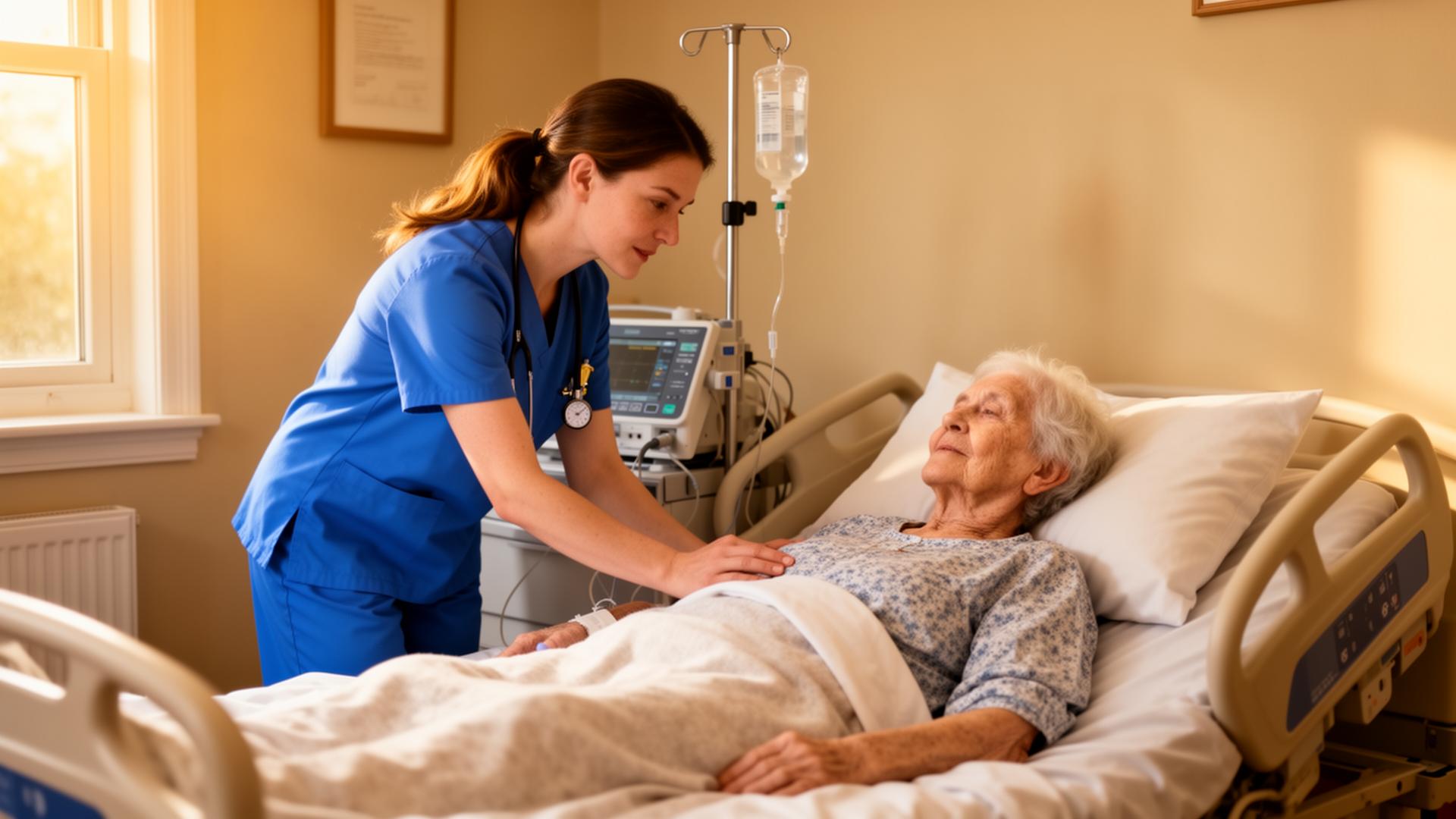
All High Intensity Supports are overseen by a Registered Nurse (RN) who provides clinical leadership, governance, and ongoing oversight across all participants receiving high-intensity care.
The Registered Nurse is responsible for:
The Registered Nurse is clinically competent to perform and oversee:
Specialised Training & Competency
Our support workers receive specialised training and competency assessments relevant to each participant's assessed needs. Training is delivered, supervised, and reviewed by the Registered Nurse and aligns with the NDIS High Intensity Support Skills Descriptors.
Complex Personal Care
- Support with all aspects of personal hygiene for participants with limited or no mobility
- Use of specialised equipment (e.g. shower commodes, hoists, pressure mattresses)
- Skin integrity monitoring and pressure injury prevention
- Dignity-focused, trauma-informed care practices
Complex Continence Support
- Management of urinary and bowel continence needs
- Catheter care (including suprapubic catheters) under RN direction
- Monitoring for infection, blockage, or complications
- Documentation and escalation of concerns
Enteral Supports & Nutrition
- Support with prescribed enteral feeding plans (as trained and authorised)
- Infection control and safe handling procedures
- Monitoring nutritional intake and participant tolerance
- Escalation protocols under clinical guidance
Complex Mobility & Transfers
- Use of hoists, transfer aids, and specialised seating
- Two-person transfers where required
- Falls prevention strategies
- Safe manual handling in line with WHS requirements
Pressure Injury Prevention & Wound Care
- Repositioning schedules and pressure relief
- Monitoring skin integrity and wounds
- Following wound care plans developed by the RN
- Accurate documentation and reporting
Medication Support
- Assistance with medication administration as per NDIS guidelines and delegation
- Monitoring for side effects or changes in condition
- Accurate recording and escalation of concerns
All Staff Requirements
Quality, Safety & Compliance
High Intensity Supports are delivered in line with:
Frequently Asked Questions
Common questions about high intensity clinical support